Automating Heavy Machinery Maintenance with GPS Telematics
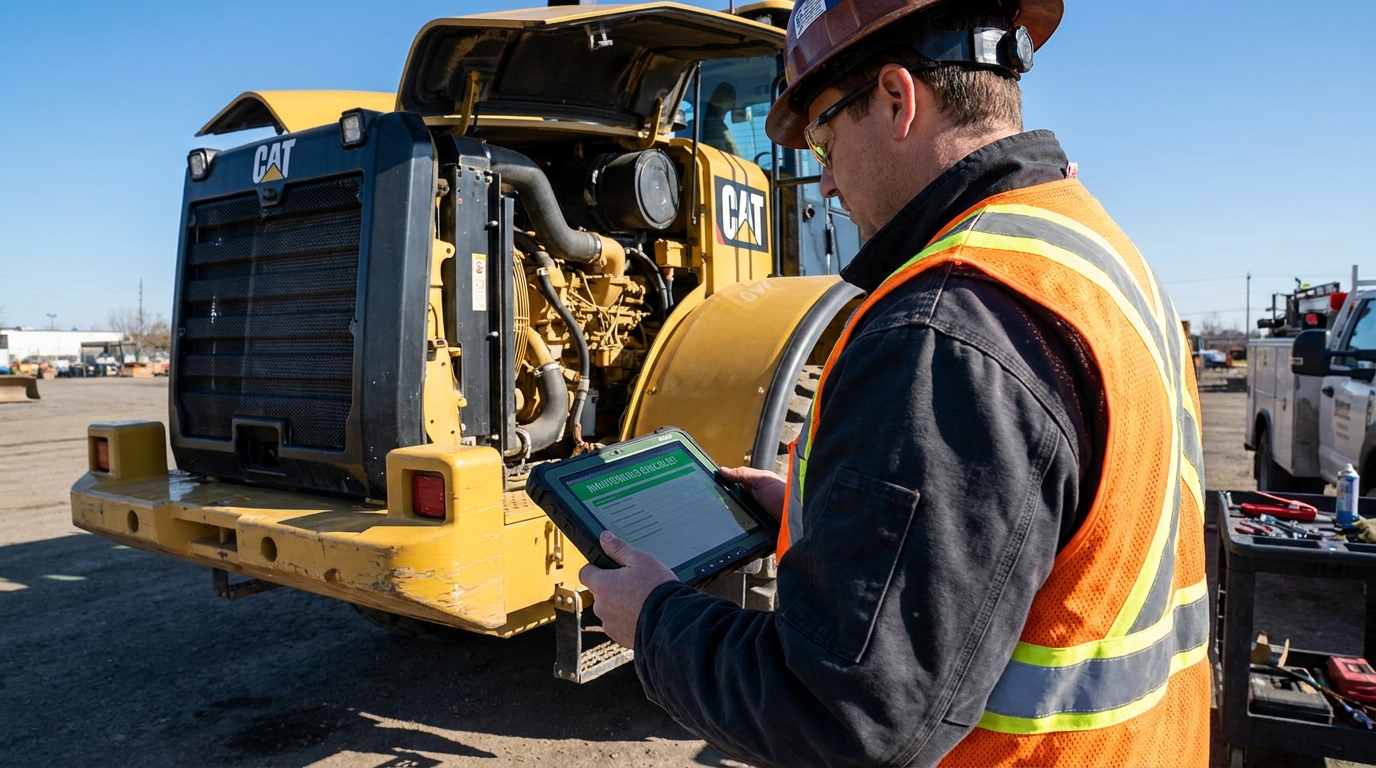
As a Heavy Machinery Master Mechanic and Fleet Maintenance Director, I have spent decades in the trenches dealing with the brutal realities of equipment failure. In the past, managing a fleet of yellow iron meant relying on whiteboards, smudged paper logbooks, and manually calling field operators every Friday to hunt down hour meter readings. This antiquated, reactive approach essentially guaranteed that machines would break down at the worst possible moments.
Today, operating without data is operational suicide. If you are waiting for a machine to break before you fix it, you are actively draining your company’s profit margins. Transforming your shop from a reactive repair center into a predictive, highly efficient operation requires leveraging advanced preventative maintenance software heavy equipment platforms. Here is the strategic guide on how to utilize GPS telematics to completely automate your maintenance workflow, protect your assets, and keep your fleet moving.
The Financial Reality: Planned PM vs. Catastrophic Field Failure
To understand the necessity of predictive maintenance, you must confront the massive financial disparity between a planned Preventative Maintenance (PM) service and a catastrophic field failure.
When a machine is brought into the shop for a scheduled 500-hour PM, the costs are entirely controlled. You already have the filters on the shelf, the oil is staged, and a mechanic is scheduled to perform the work in a clean, well-lit bay. The machine is back on the job site the next morning.
Contrast that with a catastrophic failure in the dirt. Suppose a neglected hydraulic hose ruptures, or a dirty filter starves the engine of oil, causing it to seize up entirely. The costs exponentially multiply:
-
Asset Destruction: A standard $500 scheduled PM just turned into a $30,000 engine or hydraulic pump rebuild.
-
Emergency Logistics: You are now paying emergency rates for a heavy-haul tow truck to drag a dead, 80,000-pound excavator out of a mud pit.
-
Lost Productivity: The job site grinds to a halt. Operators are standing around on the clock with no equipment to run, and project deadlines are blown, potentially triggering massive contractual penalties.
-
Environmental Hazards: A blown hydraulic line on a job site often requires expensive hazmat cleanup and reporting, adding thousands of dollars in regulatory fines and remediation costs.
Shifting to a predictive model eliminates these financial ambushes. You control the maintenance timeline; the machine does not control you.
The Brain of the Machine: The ECM Connection
The foundation of a modern construction fleet maintenance management program is accurate data. Relying on operators to write down hour meters on daily inspection sheets is a flawed system. Numbers get transposed, sheets get lost, and PMs get missed.
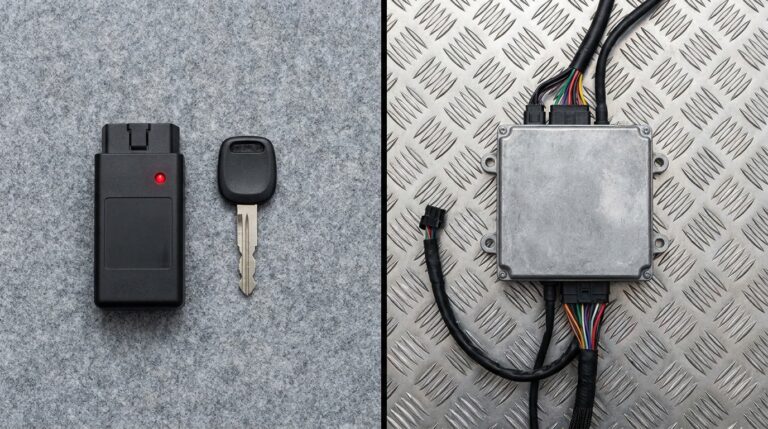
Modern telematics solve this by removing human error entirely. High-tier, hardwired GPS units do not just track location; they plug directly into the equipment’s Engine Control Module (ECM) via the CAN bus (Controller Area Network) diagnostic port.
By utilizing gps tracking engine hours, the telematics device reads the exact same data the machine’s internal computer sees. It logs every second the engine is running and transmits that precise hour meter reading to your fleet management dashboard in real time. This ensures your maintenance software is always working with absolute, unarguable data. There is no more guessing when a bulldozer is due for service; the machine tells you itself.
Automating the Workflow: Tracking Service Intervals
Once your GPS units are hardwired and pulling accurate engine hours, you can configure your software to automatically track machinery service intervals. This is where the magic happens and your shop achieves true automation.
You can build custom digital maintenance profiles for every asset in your fleet based on OEM recommendations.
-
250-Hour Service: The system triggers an alert for a standard engine oil drop, primary fuel filter swap, and chassis greasing.
-
500-Hour Service: The software schedules the engine oil, fuel filters, air filters, and a comprehensive hydraulic system inspection.
-
1,000-Hour Service: The alert dictates a massive fluid overhaul, including hydraulic fluid swaps, final drive oil changes, and coolant flushing.
Because the system tracks hours in real-time, you can set the software to trigger a “Pre-Alert” 50 hours before the actual PM is due. This gives your parts manager ample time to order the specific oil and hydraulic filters required, and allows your dispatcher to seamlessly rotate a replacement machine to the job site so production never stops.
Translating Data into Action: Real-Time Diagnostic Alerts
While tracking scheduled intervals is the backbone of fleet management, the true superpower of ECM integration is the ability to receive real-time telematics diagnostic alerts.
When an engine experiences a critical issue, the ECM generates a Diagnostic Trouble Code (DTC). In the past, the operator would see a red check-engine light, ignore it to finish loading a truck, and subsequently destroy the engine.
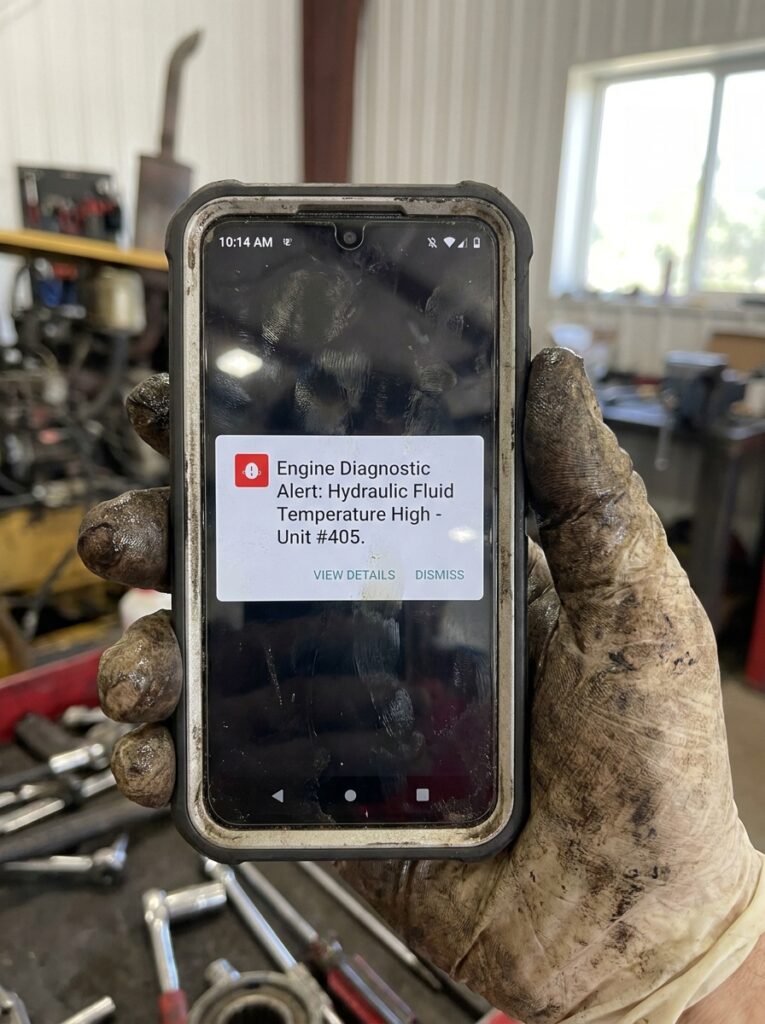
With telematics, the exact moment that DTC is generated, an urgent alert is beamed directly to the master mechanic’s smartphone. Whether it is critically low oil pressure, dangerously high coolant temperatures, or a failing DEF (Diesel Exhaust Fluid) injector, your maintenance team sees the exact fault code instantly. You can immediately call the site superintendent and order them to shut the machine down before a $500 sensor issue cascades into a $40,000 powertrain replacement.
In the heavy highway and civil construction industry, downtime is the enemy. By integrating hardwired GPS telematics into your fleet, you remove the blindfolds from your maintenance team. You transition from scrambling to fix broken iron to strategically managing your assets, ensuring your fleet remains highly profitable, fully operational, and constantly moving dirt.
Operational Disclaimer: The maintenance strategies and telematics configurations discussed in this guide are for informational purposes only. Always consult your Original Equipment Manufacturer (OEM) guidelines, local regulations, and a certified master mechanic before modifying heavy machinery maintenance schedules or integrating third-party hardware into engine control modules.