Preventing Heavy Equipment Theft: Best GPS Trackers for Construction

As a Construction Fleet Manager and Heavy Equipment Security Consultant, I spend my days dealing with the aftermath of compromised job sites. The call usually comes in early on a Monday morning: the site superintendent arrived to find the perimeter fence cut, and a $150,000 excavator or skid steer is simply gone.
We are facing an absolute epidemic of yellow iron theft. In 2026, the statistics surrounding construction site theft are staggering. The industry is bleeding over $1 billion annually due to stolen machinery, tools, and materials. Worse still, the recovery rate for untracked heavy equipment sits at a dismal 20% to 25%. If your bulldozer or backhoe does not have an active construction equipment asset tracking system, the moment it leaves your site on a rogue flatbed, it is virtually gone forever—destined for a shipping container or stripped for parts.
However, theft is entirely preventable if you deploy the right technology. To protect your heavy equipment, you must modernize your fleet with advanced telematics. Here is your authoritative guide to utilizing GPS tracking and geofencing to lock down your yellow iron.
The Escalating Threat to Yellow Iron
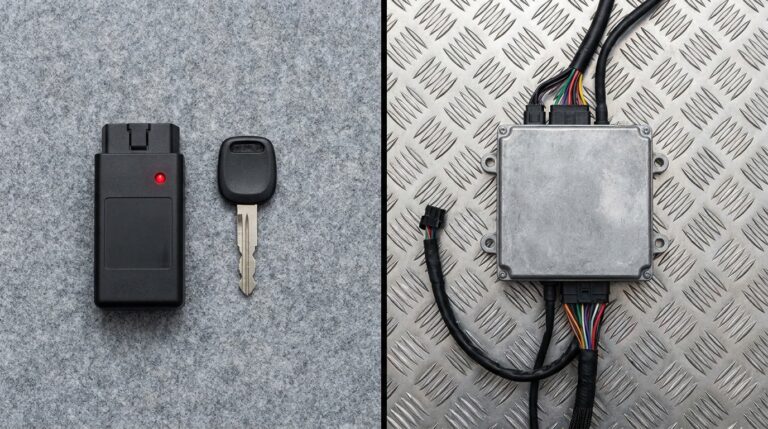
Why are excavators, bulldozers, and skid steers targeted so heavily by organized crime rings? The answer comes down to high resale value, poor site security, and an outdated manufacturing flaw: the universal key. Many heavy machines share standard ignition keys across an entire brand’s product line, meaning a thief only needs a handful of keys bought online to start almost any piece of equipment on your site.
Furthermore, approximately 70% of all heavy equipment theft occurs between Friday evening and Monday morning. Thieves know that construction sites sit abandoned for 48 hours, giving them ample time to bypass padlocks, load machines onto transport trailers, and cross state lines before anyone even realizes the asset is missing.
To combat this, passive security measures like chain-link fences and wheel locks are no longer sufficient. You need active, real-time intelligence.
The First Line of Defense: Geofencing Construction Sites
If you are not currently geofencing construction site perimeters, you are leaving your fleet dangerously exposed.
A geofence is a digital, invisible boundary drawn on a satellite map within your GPS tracking software. You can draw this virtual perimeter precisely around your active job site, your equipment yard, or a specific staging area. Once the geofence is established, your heavy equipment gps tracker acts as a digital night watchman.
Here is how a properly configured geofence stops a theft in progress:
-
Curfew Rules: You set the telematics system to recognize authorized working hours (e.g., 6:00 AM to 6:00 PM).
-
Breach Detection: If an excavator’s ignition is turned on or the machine physically crosses the virtual boundary after hours, the system immediately recognizes an unauthorized event.
-
Instant Alerts: The software triggers an instant SMS text message and email alert to the fleet manager, the site superintendent, and your security team.
Instead of discovering a theft on Monday morning, you are notified on Friday at 11:00 PM the exact second the machine is moved. This real-time alert allows you to dispatch local law enforcement while the thieves are still actively trying to load the equipment, drastically increasing the chances of catching them in the act.
The Two-Tiered Hardware Strategy: Hardwired and Hidden Backup
When outfitting your fleet with an anti theft device for excavators and bulldozers, the biggest mistake fleet managers make is relying on a single tracking unit. Sophisticated, organized theft rings know exactly what standard GPS trackers look like. The very first thing they do after breaking into the cab is look under the dashboard to rip out the telematics device, instantly blinding you.
To guarantee recovery, you must deploy a two-tiered hardware strategy:
1. The Primary Hardwired Tracker
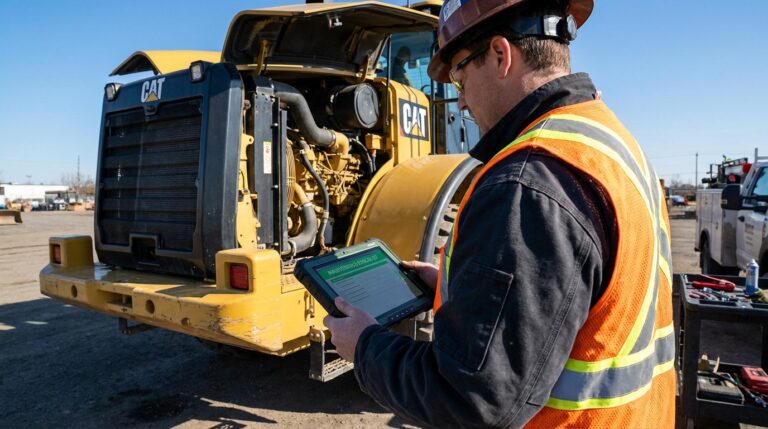
This is your operational workhorse. A hardwired GPS tracker connects directly to the machine’s CAN bus and ignition wire. It draws power from the equipment’s alternator and battery, providing continuous, real-time location updates (often pinging every 10 to 30 seconds). Beyond security, this unit feeds your management software with critical operational data, including engine run hours, idle time, and preventative maintenance diagnostic codes.
2. The Hidden Battery-Powered Backup Tracker
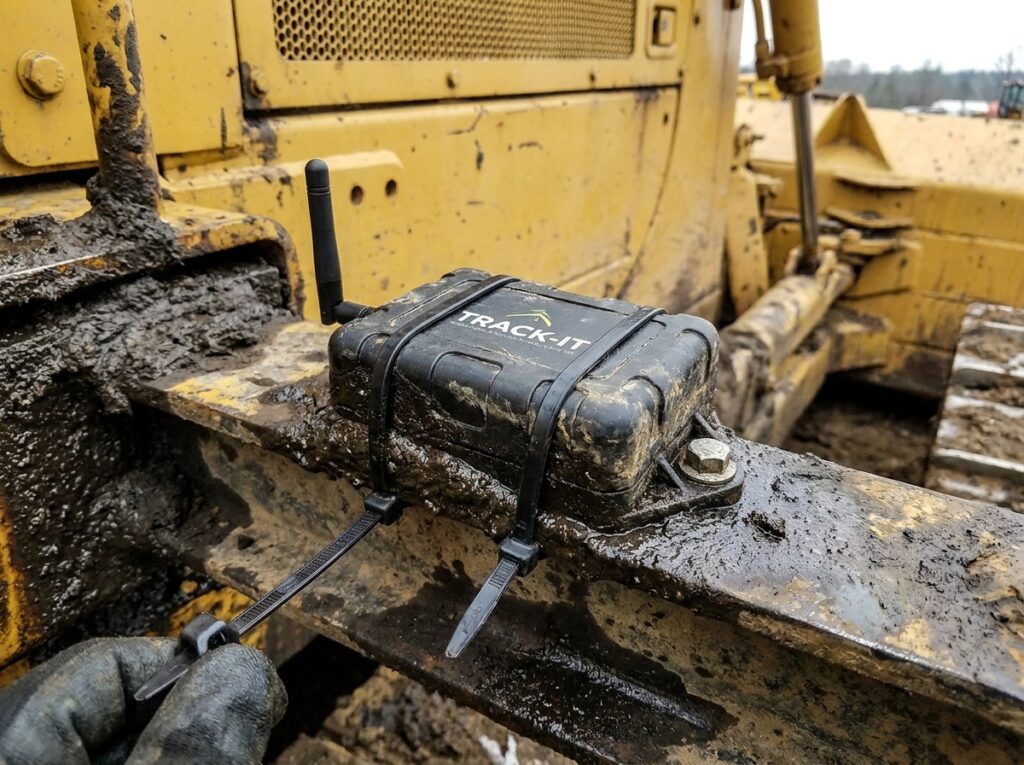
This is your ultimate insurance policy. You must install a secondary, deeply hidden gps tracker bulldozer or excavator unit. This device must be entirely independent of the machine’s electrical system. Modern battery-powered asset trackers boast battery lives ranging from three to seven years and are built into rugged, IP-rated waterproof casings.
Because they require no wiring, you can magnetically mount or bolt these units in incredibly obscure locations—inside the boom arm, tucked behind heavy hydraulic manifolds, or buried within the undercarriage. The thieves will inevitably find and destroy the primary hardwired tracker, falsely believing they have disabled your security. Meanwhile, the hidden battery unit “wakes up” once or twice a day to silently transmit its coordinates, leading law enforcement right to their chop shop or storage yard.
Selecting the Best Heavy Equipment Trackers for 2026
When evaluating telematics vendors for your construction fleet, prioritize platforms that are purpose-built for heavy industry, not just over-the-road trucking. You must ensure the hardware can withstand the brutal vibration, dust, and weather conditions of a working job site.
Look for these critical features:
-
Ruggedized IP-Ratings: Devices must be IP67 or IP68 rated to survive high-pressure power washing and severe weather.
-
Multi-Network Connectivity: The best units utilize modern LTE cellular networks with automatic fallback options, ensuring you do not lose visibility when equipment is moved to remote, rural job sites.
-
Anti-Jamming Technology: High-end trackers can detect when thieves attempt to use cellular signal jammers, instantly triggering a localized alarm or secondary alert protocol.
-
Starter Disconnect Relays: Advanced setups allow fleet managers to remotely send a command from their smartphone that disables the equipment’s starter motor, literally stopping a thief from driving the machine off the lot.
Your yellow iron is the lifeblood of your construction operations. Do not leave your multi-million-dollar inventory vulnerable to a pair of bolt cutters and a universal key. By establishing rigid geofences, deploying a dual-tracker strategy with hidden battery backups, and treating GPS telematics as a mandatory operational expense, you will transform your fleet from a soft target into an impenetrable fortress.
Operational Disclaimer: The strategies and security measures detailed in this guide are for informational purposes to assist fleet managers in mitigating theft. Equipment security protocols should be integrated with local law enforcement guidelines and comprehensive insurance policies. Never attempt to physically intercept or confront heavy equipment thieves; always provide telematics data directly to the authorities.